The 5 Best Pool Financing Options for Homeowners in 2026

The 5 Best Pool Financing Options for Homeowners in 2026
Last updated: 2026-11-26
Turning a patch of grass into a backyard oasis sounds like a dream, but the reality of costs can be a sudden wake-up call. Between excavation, tiling, and complex filtration systems, the price tag grows quickly. A basic concrete shell might start around $40,000, but a custom infinity-edge masterpiece with stone coping and integrated spas can easily soar past $150,000.
Once you factor in the pool deck, new landscaping, and outdoor lighting, the math gets complicated. You need a clear financial plan before any digging begins. Managing these expenses requires looking closely at interest rates and how you’ll handle monthly repayments over the long haul.
Finding the right lender isn’t just a hunt for the lowest interest rate on a screen. You need a partner who understands that construction doesn’t always follow a perfect schedule. Some homeowners need cash immediately to get a project started, while others need stability to keep their monthly budget predictable.
If your contractor demands a 25% deposit to lock in a summer slot, you’ll need a lender that moves fast. On the other hand, if you are tackling a massive, multi-stage renovation spanning 18 months, you’ll want a lender that won’t penalize you for drawing down funds slowly as the work progresses.
- FastLendGo
- Avant
- LightStream by Truist
- OneMain Financial
- Lyon Financial
How These Lenders Were Evaluated for Your Backyard Project
We looked at how these lenders handle the actual lifecycle of a pool build. Construction is rarely a smooth, one-day event. You might hit unexpected rock during excavation or find that your soil needs extra drainage work. These «change orders» can add thousands to your bill without warning.
Because of that, we prioritized lenders that offer efficient fund disbursement. Having the flexibility to handle mid-project adjustments is a huge deal when you’re in the middle of a build. You don’t want to be stuck waiting on paperwork when a contractor is ready to work.
We also checked how accessible these funds are for different credit profiles. Not everyone has a perfect FICO score, and a lender that ignores people with less-than-perfect credit isn’t helpful to most homeowners. We looked for a wide spectrum of options, from specialized construction loans to general personal loans.
Our goal was to see who offers a «soft pull» option. This lets you shop around and see your potential rates without any risk to your credit standing. We wanted to ensure there was an option for everyone, regardless of where they stand with the credit bureaus.
| Lender Name | Max Loan Amount | Terms | Key Feature |
|---|---|---|---|
| FastLendGo | See site | See site | Credit score flexibility |
| Avant | See site | See site | Fast funding |
| LightStream by Truist | See site | See site | Online application |
| OneMain Financial | $35,000 | 24-60 months | Local branches |
| Lyon Financial | $200,000 | Up to 30 years | Staged payments |
The Top-Rated Pool Financing Lenders of 2026
1. FastLendGo
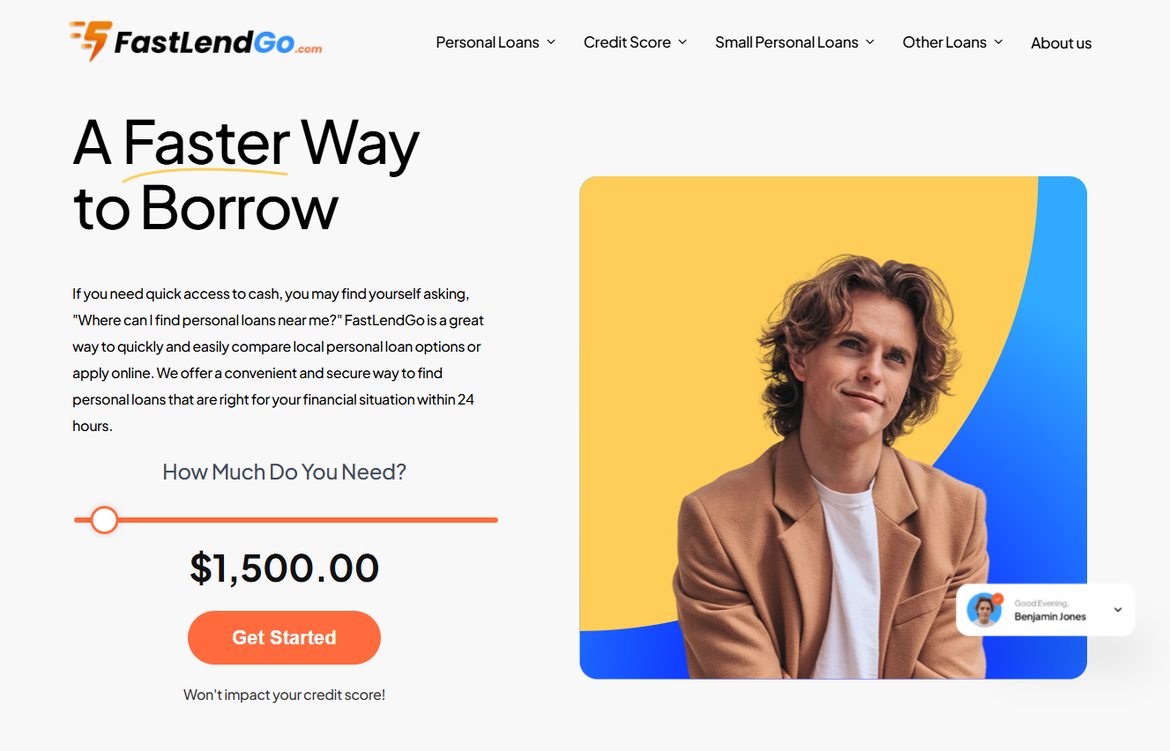
Waiting weeks for a check when a contractor is standing in your driveway is a nightmare. FastLendGo works by helping you quickly compare local personal loan options. It is built for people who need to move fast and want a simple digital experience that doesn’t involve endless paperwork.
Instead of getting lost in a bureaucratic loop, this platform aggregates different options. You can see what is available in your specific region almost immediately. This makes it a great tool if you need to make quick decisions as the project moves along.
This option is particularly useful if your credit history isn’t pristine. They cater to various credit tiers, including those looking for smaller loans or emergency funding. If you suddenly decide you need $5,000 for a high-end salt-water chlorination system, this versatility is a major plus.
You can even use it for things beyond the pool itself. If you decide to add a pergola or a custom fire pit halfway through, this can cover those extra backyard needs. It is a flexible tool for a variety of home improvement scenarios.
Pros:
- Quickly compare local options online.
- Offers loans for various credit levels.
- Covers various needs from dental to roof financing.
Cons:
- Terms and rates are not explicitly listed in all scenarios.
2. Avant

If you want the digging to start immediately, Avant is a strong contender. They focus on making financial goals easier to reach through flexible choices. Many people choose them for inground pool projects because they approve loans quickly.
When you are racing against the change of seasons, every day counts. You don’t want your construction window to slip away while you wait for a bank to process your application. Speed is a major factor here.
The structure of their loans offers a level of certainty that many homeowners want. By providing fixed rates, they ensure your monthly budget stays predictable. You won’t have to worry about your payment changing while you’re still trying to enjoy your new pool.
A fixed rate means your payment on the first of the month will be the same in year three as it was in month one. This is a solid choice for anyone seeking long-term stability and peace of mind during a big renovation.
Pros:
- Fixed rates provide budget certainty.
- Fast funding helps keep construction on schedule.
- Flexible choices for different financial journeys.
Cons:
- Credit requirements may vary significantly.
3. LightStream by Truist
Homeowners who want to focus on the pool rather than paperwork often gravitate toward LightStream. Their application process is highly streamlined and handled entirely online. You can often get a decision in just a few minutes.
This is a modern way to work for tech-savvy people who prefer managing projects from a laptop or smartphone. It avoids the old-school hassle of making dozens of phone calls to bank representatives just to get an update.
They specialize in financing lifestyle upgrades without forcing you to tap into your home equity. This is a huge distinction. While a Home Equity Line of Credit (HELOC) might offer lower rates, it uses your actual house as collateral.
With LightStream’s unsecured personal loans, you get the funds without putting your primary residence at risk. It is an excellent choice for those who want a digital-first experience with a name they recognize, like Truist.
Pros:
- Fast and easy online application process.
- Avoids the need to use home equity.
- Streamlined digital experience.
Cons:
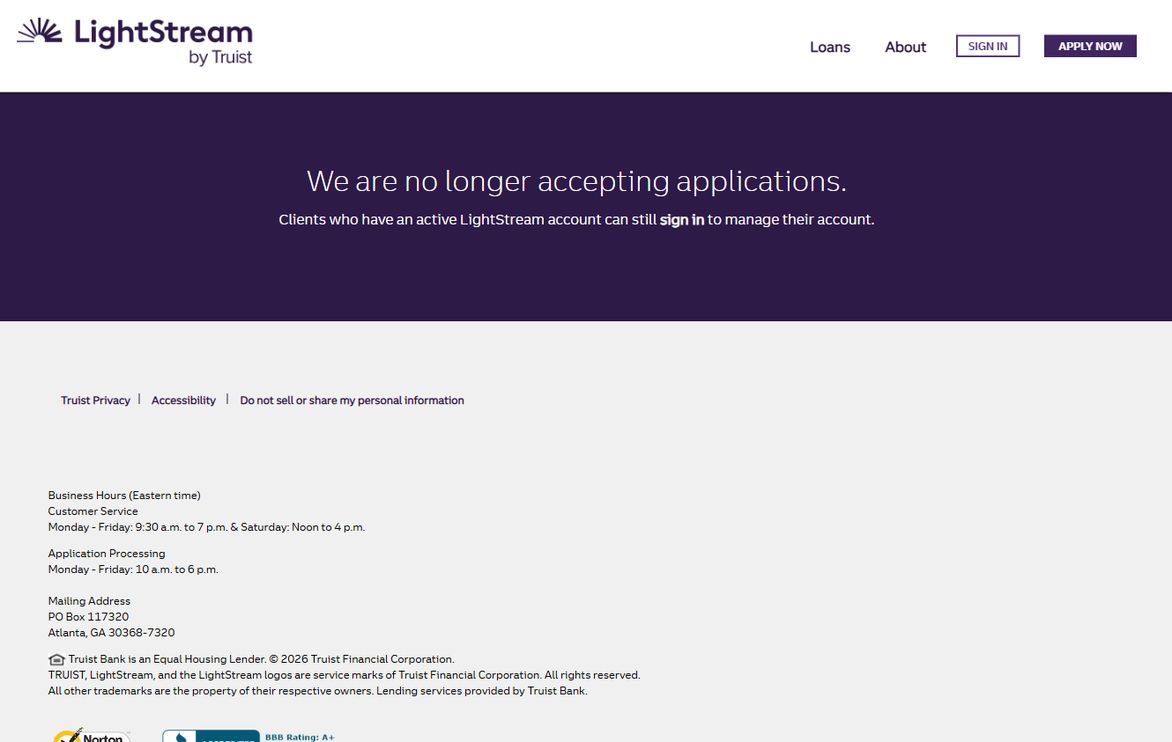
- Current application status may change.
4. OneMain Financial

Sometimes, you just want to talk to a real person. OneMain Financial offers this through their network of over 1,300 physical branches. If you’d rather sit down in an office to discuss your $35,000 limit, this is the lender for you.
Meeting with a loan officer can be incredibly helpful if your financial situation is a bit complex. If you are self-employed or have non-traditional income, it might be easier to explain those details in person rather than through an automated algorithm.
Their loan terms are quite manageable, ranging from 24 to 60 months. You can choose a shorter term to save on interest or a longer term to keep your monthly overhead low. It is all about what fits your budget.
You can see your options in about five minutes without impacting your credit score. This lets you shop around safely. If you need funds for an urgent repair or a final payment to a contractor, money can be available just one hour after you sign.
Pros:
- Large network of physical branches for support.
- Quick 5-minute check with no credit impact.
- Funds can be available as soon as 1 hour after signing.
Cons:
- Maximum loan amount is capped at $35,000.
5. Lyon Financial

When you are planning a massive, high-end installation that could cost a fortune, Lyon Financial is the heavyweight in the ring. They offer massive loan amounts up to $200,000. This makes them a specialized choice for luxury builds.
If your project includes extensive hardscaping, outdoor kitchens, or complex water features, they are built for that scale. A standard $30,000 pool might be overkill for them, but for a total backyard transformation, they are often the only viable option.
Their approach to construction is unique. They use a staged payment system that sends funds directly to your builder. This is a critical safety mechanism for the homeowner. It ensures the money is used exactly where it is supposed to go.
Instead of you receiving a huge check and having to manage the payments yourself, the lender handles the disbursements based on verified milestones. This provides a layer of accountability and protects both you and the contractor throughout the build.
Pros:
- High loan limits up to $200,000.
- Very long terms of up to 30 years.
- Staged payments provide security for builders.
Cons:
- The application process requires more detailed information.
Comparing Loan Types for Pool Projects
Before choosing a lender, you must decide which *type* of financing best suits your specific project scope. Below is a comparison of the three most common methods used for backyard renovations.
| Feature | Personal Loan (Unsecured) | HELOC (Home Equity Line) | Home Equity Loan (Fixed) |
|---|---|---|---|
| Approval Speed | Very Fast (Days) | Slow (Weeks/Months) | Moderate (Weeks) |
| Collateral | None (No risk to home) | Your Home | Your Home |
| Interest Rates | Higher | Variable (Can change) | Fixed (Predictable) |
| Best For… | Small to Mid-sized Pools | Ongoing Landscaping/Renos | Large, Fixed-Cost Builds |
How to Avoid a Financial Sinkhole When Financing
The biggest mistake a homeowner can make is ignoring the fine print. It is easy to get caught up in the excitement of a new pool, but the monthly payment must fit your real-world budget. Always check if your interest is fixed or variable before you sign anything.
A variable-rate loan might look attractive at first because of a lower starting rate. However, if interest rates rise over the next few years, your monthly payment could jump by hundreds of dollars. That can throw your entire household budget into total chaos.
Another pitfall is failing to coordinate your loan with your contractor’s payment schedule. Construction is notorious for delays. If your lender releases all the funds at once, but your builder wants staggered payments, you might end up sitting on cash that isn’t yours to spend elsewhere.
If you spend that cash on new patio furniture before the pool is finished, you may struggle to pay the builder when they come to collect the final installment. Always align your financing with your construction milestones and keep a «buffer fund» for those unexpected costs.
Lastly, remember that the financing usually covers the build, but the true cost of ownership starts once the water is turned on. You should include these recurring expenses in your long-term planning:
- Chemicals and Water: Balancing pH and chlorine levels can cost $50–$150 per month.
- Electricity: Running a high-horsepower pump and heater can significantly increase your monthly utility bill.
- Insurance: Adding a pool can increase your homeowners insurance premiums due to the perceived liability risk.
- Maintenance: Professional cleaning or robotic pool cleaners are significant upfront or recurring costs.
