Top 5 Lenders for No Credit Check Home Improvement Loans in 2026

Top 5 Lenders for No Credit Check Home Improvement Loans in 2026
Last updated: 2026-11-26
Trying to fix a leaking roof or modernize a kitchen feels like a nightmare when your credit score isn’t exactly pristine. You might feel trapped with no real options. Fortunately, the financial landscape in 2026 offers several paths for homeowners who want to renovate without the rigid, stressful requirements of traditional banking.
As the economy shifts toward fintech solutions, the barrier to entry for home improvement funding has dropped. There is much more flexibility now than the standard high-street bank model allows. You can find options that work with your specific situation rather than forcing you into a one-size-fits-all box.
When hunting for these funds, aim for a balance between speed and affordability. It isn’t just about getting the cash in your hand; it is about ensuring the terms do not swallow your future income. A common mistake is chasing a low monthly payment while ignoring a high Annual Percentage Rate (APR) that extends your debt for years.
This list highlights providers that cater to diverse financial backgrounds, from those with stellar scores to those working to rebuild. Whether you are dealing with an emergency repair or a planned upgrade, understanding these lenders is your first step toward maintaining your home without breaking the bank.
- Acorn Finance
- FastLendGo
- USAlliance
- BOK Financial
- First Tech Federal Credit Union
How These Lenders Were Evaluated for Home Renovation Needs
The selection process focused on accessibility and the specific needs of people fixing up their homes. We looked at how quickly a borrower gets a response and whether a lender offers products for those with less-than-perfect credit histories. It is about matching the right tool to the specific job at hand.
An emergency repair like a broken water heater requires a lender with high velocity. A kitchen remodel might benefit from a lender that offers longer repayment windows to keep monthly outflows manageable. You need different tools for different problems, and the lenders we selected reflect that distinction.
We analyzed providers based on their ability to offer personalized rates and their reputation among real users. Since home projects often have urgent timelines, speed of funding and clear application processes were paramount. We also looked for lenders that clearly disclose fees upfront instead of burying them in the fine print.
The following table summarizes the key details found across their various service offerings.
| Lender Name | Loan Amounts | Credit Requirements | Funding Speed | Special Features |
|---|---|---|---|---|
| Acorn Finance | See site | Good & Bad Credit | See site | $0 dealer fees |
| FastLendGo | $500 – See site | Bad, Fair, Good, Great | See site | Quick access to cash |
| USAlliance | $500 – $2,000 | Credit Builder options | See site | Credit building focus |
| BOK Financial | See site | See site | See site | FDIC-Insured |
| First Tech Federal Credit Union | See site | See site | See site | Tech-focused membership |
1. Acorn Finance
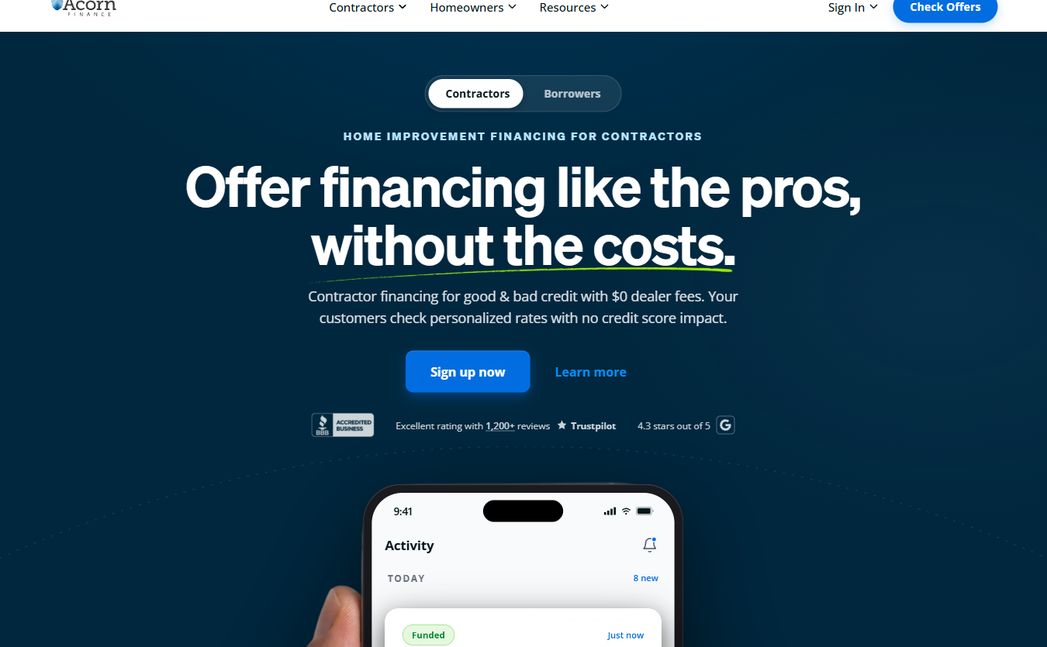
Acorn Finance connects homeowners with various financing options. They specialize in personalized rates that do not impact your credit score during the initial check. This «soft pull» capability is essential if you are shopping around. You can compare multiple rates without the risk of multiple «hard inquiries» lowering your score before you even decide on a loan.
This platform is particularly useful for large-scale projects like pool installations or kitchen remodels. Because they work with contractors, the process feels integrated into the actual renovation work. Instead of treating the loan as a separate, disconnected event, Acorn aligns the financing with the project timeline. They offer a quick experience for those who need to move fast on a quote, especially when a contractor requires a significant deposit.
Pros:
- Personalized rates with no credit score impact during checking.
- Zero dealer fees for contractors, ensuring your quote stays accurate.
- High user ratings on Trustpilot, reflecting reliable customer support.
Cons:
- Relies on third-party contractor financing structures, which may require extra verification of the vendor.
2. FastLendGo

If you find yourself staring at a broken furnace or a damaged roof, FastLendGo is designed for that specific moment of urgency. They offer a wide spectrum of personal loans, ranging from small amounts like $500 up to much larger sums for significant repairs. This granularity is vital. You wouldn’t want to take out a $10,000 loan for a $600 repair, as the interest on the extra capital would be wasteful.
They cater to almost every credit profile, from those with bad credit to those with great credit. This inclusivity makes them a strong contender for anyone who needs to compare local personal loan options quickly. Their digital-first approach means you can often complete the entire application from your smartphone. This is a viable option for busy homeowners who cannot spend hours on the phone with traditional bank representatives.
Pros:
- Covers a wide range of credit tiers from bad to great.
- Offers specific solutions for auto, dental, and roof financing.
- Quick comparison of local loan options to save time.
Cons:
- Rapid access often comes with different terms for different credit tiers; higher risk scores usually yield significantly better APRs.
3. USAlliance
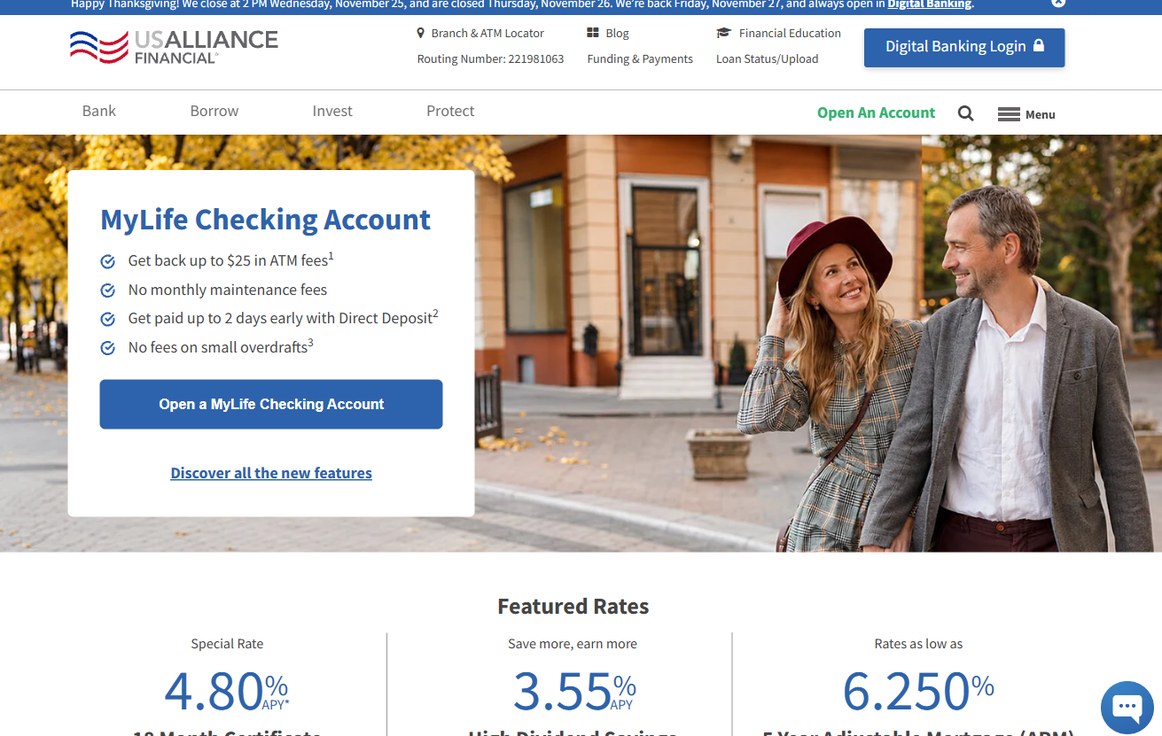
USAlliance takes a more holistic approach by offering tools to help you grow, not just borrow. Their credit builder loans are a standout feature for those looking to establish or repair their credit while managing small expenses. This is a strategic way to approach home renovation. By using these tools to fix your credit today, you position yourself to qualify for much lower-interest home equity lines of credit (HELOCs) for your major renovations tomorrow.
The credit builder product is ideal for smaller, incremental improvements. With terms ranging from 12 to 24 months, it allows for manageable repayment schedules. Instead of a massive lump sum, you are essentially paying down a small, structured amount that is reported to the credit bureaus. This is perfect for someone who needs a little extra help to get their credit where it needs to be for a future mortgage.
Pros:
- Excellent for repairing or building credit history through structured reporting.
- Manageable repayment terms between 12 and 24 months.
- Diverse range of banking products available for long-term growth.
Cons:
- Loan amounts for credit building are limited to $2,000, making it unsuitable for large-scale construction.
4. BOK Financial
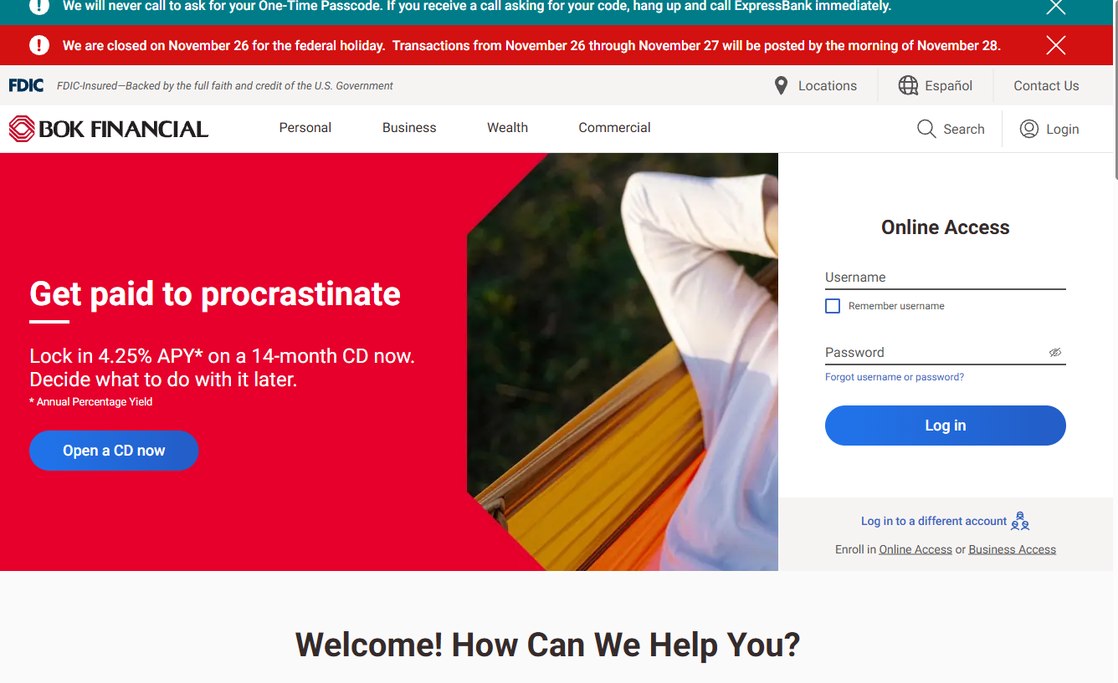
BOK Financial operates with the stability and security that comes with being FDIC-insured. This provides a sense of peace of mind that is often missing in the digital-first lending space. When you are borrowing thousands of dollars for a home project, knowing that your funds are coming from a highly regulated, established institution provides an extra layer of confidence in the transaction.
This is a solid choice for those who want a more established institution behind their financing. Unlike some fintech lenders that act solely as middlemen, BOK Financial is a full-service financial institution. They can offer a more comprehensive relationship, including checking accounts, savings vehicles, and traditional mortgage products. If you are planning a series of home improvements over several years, having a single, stable institution can streamline your entire financial life.
Pros:
- Backed by the full faith and credit of the U.S. Government via FDIC insurance.
- Offers a wide variety of banking and mortgage products.
- Professional and established institutional reputation.
Cons:
- May have more stringent traditional requirements, such as proof of steady income and employment history, compared to specialized lenders.
5. First Tech Federal Credit Union

First Tech is a unique player, specifically tailored toward the needs of people in the tech industry. They pride themselves on delivering value back to their members through better rates and lower fees. This is achieved through a cooperative model where members are essentially the owners of the credit union. This allows them to prioritize member benefits over maximizing shareholder profit.
Membership offers access to a range of products including home loans, personal loans, and credit cards. If you fit their membership profile—which often includes tech sector employees or their relatives—you might find a more personalized and advantageous relationship here. They emphasize being an investment in your financial well-being, often providing more nuanced advice for complex financial situations than a standard retail bank might offer.
Pros:
- Strong focus on member value, often resulting in lower fees and competitive rates.
- Specialized services and understanding of the tech-sector professionals’ lifestyle.
- Comprehensive product list including insurance and investments.
Cons:
- Membership requirements may limit the pool of eligible applicants, requiring some level of professional affiliation.
The Hidden Costs of Home Improvement Financing
Many homeowners fail to account for the «secondary costs» of a renovation. It isn’t just the cost of the lumber or the plumber; it is the cost of the money used to pay them. When evaluating a loan, you must perform a «Total Cost of Ownership» analysis on your debt. This involves looking at these specific factors:
- Origination Fees: Some lenders charge a percentage of the loan amount just for processing the application. A $10,000 loan with a 5% origination fee means you only receive $9,500, but you owe interest on the full $10,000.
- Prepayment Penalties: If you come into a tax refund or a bonus and want to pay off your renovation loan early to save on interest, check if the lender charges a penalty for doing so. This can make «quick» loans much more expensive in the long run.
- Escalating Material Costs: Inflation can impact your project mid-way. If your loan is capped at exactly what your initial quote was, a sudden 10% rise in the cost of copper or timber could leave you underfunded and unable to finish the job.
Strategic Planning: When to Use Different Loan Types
Not all debt is created equal. Choosing the wrong type of funding for a specific project can lead to unnecessary financial strain. Here is a breakdown of when to use which tool:
| Project Type | Recommended Funding | Reasoning |
|---|---|---|
| Emergency Repair (Roof/HVAC) | Fast-Access Personal Loan | Speed is the priority to prevent further property damage. |
| Aesthetic Upgrade (Paint/Flooring) | Credit Builder/Small Personal Loan | Low-cost projects don’t require large, high-interest debt. |
| Major Remodel (Kitchen/Basement) | Contractor-Integrated Financing | Aligns payment schedules with project milestones. |
| Long-term Value Add (Addition/Deck) | Bank/Credit Union Home Loan | Lower rates and longer terms for high-value investments. |
Navigating Your Loan Search and Avoiding Pitfalls
Before signing any paperwork, it is vital to look at the fine print. Many people make the mistake of only looking at the monthly payment, forgetting that the total interest paid over the life of the loan is what actually costs you. Always ask for the total cost of borrowing. A $500 monthly payment over 36 months is much more expensive than a $600 monthly payment over 24 months, even though the latter looks «more expensive» on a monthly basis.
Avoid the temptation to take out more money than the project requires. It is easy to get caught up in the excitement of a new kitchen, but debt is a heavy weight to carry. If you are working on a tight budget, start with a smaller, manageable loan that fixes the most urgent problem first. A leaking roof must be addressed before a new backsplash can be considered; prioritize structural integrity over cosmetic perfection.
Lastly, remember that a «no credit check» label is often a marketing way of saying they use alternative data to verify your ability to pay. This doesn’t mean there is no scrutiny. Lenders will look at your bank statements, your employment history, and your existing debt-to-income ratio. Being honest about your income and expenses will serve you much better than trying to hide the truth during the application process, which can lead to immediate rejection or accusations of loan fraud.
