Top 5 Lenders for Manufactured Home Financing: 2026 Rankings

Top 5 Lenders for Manufactured Home Financing: 2026 Rankings
Last updated: 2026-11-26
Finding the right financing for a manufactured home often feels like trying to find your way through a thick fog without a compass. Many people assume that moving into a mobile or manufactured residence means accepting sky-high interest rates or impossible down payment hurdles. However, the market in 2026 offers several distinct pathways depending on your specific financial profile.
The distinction between a traditional mortgage and a chattel loan is one of the first hurdles you will encounter. A chattel loan covers the home itself rather than the land it sits on. Understanding this early can save you thousands in interest payments over the long run.
This list helps anyone seeking clarity amidst a sea of competing products. Whether you are a first-time buyer looking for low-down-payment options or an employee seeking specialized financial wellness, understanding these lenders is vital. Choosing the wrong path can lead to unexpected costs that haunt your budget for years.
For instance, securing a personal loan to cover a down payment might seem easy on paper. But if that loan has a variable interest rate that spikes, your debt-to-income ratio could prevent you from ever qualifying for a permanent mortgage later. It is a trap many fall into when rushing the process.
- Capital for Change
- FastLendGo
- OnQ Home Loans
- USPS Federal Credit Union
- Kashable
How These Lenders Were Evaluated for Manufactured Housing
Selecting the best lenders required looking beyond the surface-level marketing. We focused on how these institutions align with the unique needs of manufactured home buyers. This included checking for specialized programs, the speed of the application process, and the availability of niche financial services for specific demographics like federal employees or community residents.
We specifically looked for lenders who understand the «chattel» vs. «real property» distinction. This distinction determines whether your home is treated as personal property, much like a car, or real estate, like a standard house. It changes everything from your interest rate to your long-term equity.
The comparison also weighed the accessibility of credit. Since manufactured home loans often fall into different underwriting categories than traditional stick-built homes, we looked for lenders who provide clear guidance. We prioritized those offering transparency in their digital interfaces and those with a proven track record of serving specific employment sectors.
We also scrutinized the «hidden» requirements that often trip people up. We looked at whether a lender requires the home to be permanently affixed to a foundation or if they allow loans for homes on rented land. These small details can make or break a deal when you are ready to move.
| Lender Name | Loan Types | Credit Requirements | Primary Focus |
|---|---|---|---|
| Capital for Change | Residential & Small Business | See site | Community Development |
| FastLendGo | Personal Loans | Bad to Great Credit | Quick Access Cash |
| OnQ Home Loans | Conventional, FHA | 620+ Credit Score | Mortgage Simplification |
| USPS Federal Credit Union | Auto, Credit, Home Equity | See site | Postal Employees |
| Kashable | Financial Wellness/Loans | See site | Employee Support |
Understanding Your Financing Options: A Comparative Breakdown
Before diving into the specific leaders, it is essential to understand the three primary ways a manufactured home is financed. This knowledge will help you determine which lender from our list is most appropriate for your specific situation.
- Traditional Mortgages: These are used when the manufactured home is permanently attached to land you own. This is the «gold standard» of financing, often offering the lowest interest rates and longest repayment terms.
- Chattel Loans: If the home is not attached to land or the land is rented, you will likely need a chattel loan. These are essentially personal property loans. They often require higher down payments, often 10-20%, and may have slightly higher interest rates than traditional mortgages.
- FHA Loans: A subset of traditional financing, FHA loans are highly popular for manufactured homes. They allow for lower credit scores and lower down payments, provided the home meets HUD’s specific construction standards.
The 2026 Manufactured Home Financing Leaderboard
1. Capital for Change
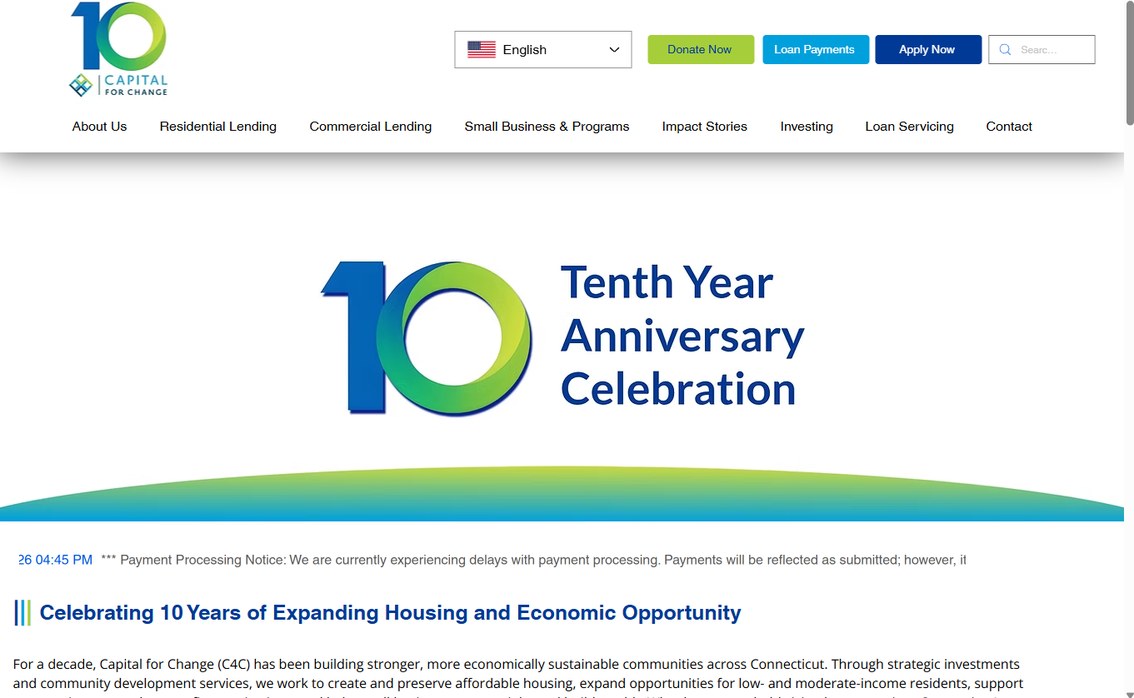
Capital for Change operates with a mission that goes far beyond simple transaction processing. As Connecticut’s largest Community Development Financial Institution (CDFI), they focus heavily on building economically sustainable communities. This makes them a standout choice for those looking to build wealth through affordable housing opportunities.
They don’t just look at a credit score in a vacuum. Instead, they look at the human impact of the loan. They serve low- and moderate-income residents by focusing on strategic investments. For many, this means more than just a loan; it is an investment in a neighborhood.
Their approach is deeply rooted in creating long-term stability for the people living in the communities they serve. If you are in a situation where traditional banks have turned you away due to income thresholds, a CDFI like Capital for Change may offer the specialized underwriting needed to get you into a home.
Pros:
- Strong focus on community and economic opportunity.
- Supports low-to-moderate income residents.
- Deeply established with a decade of experience.
- Geographically focused on Connecticut.
2. FastLendGo
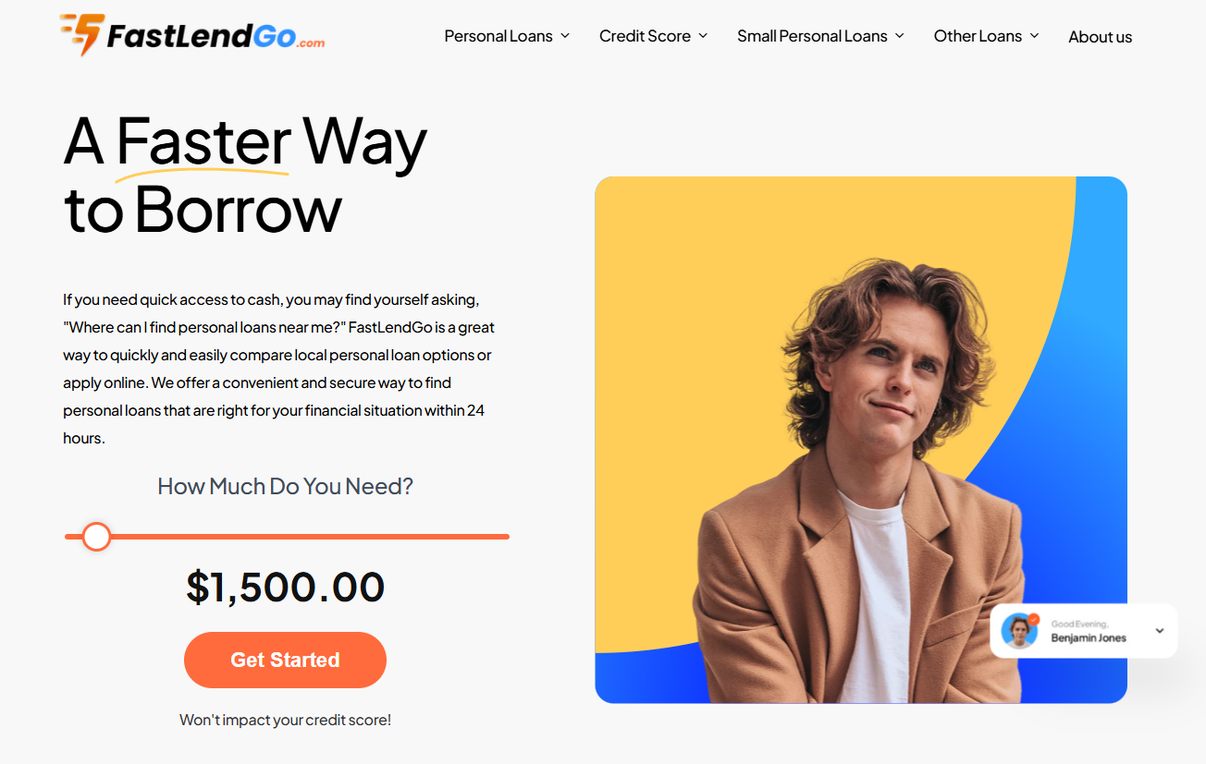
Sometimes, the need for cash is urgent and does not allow for the long waiting periods of traditional mortgages. FastLendGo positions itself as a partner for quick personal financing solutions across several states. They cater to a wide spectrum of needs, from emergency auto repairs to dental financing.
For manufactured home buyers, this can be a vital tool for covering the «soft costs» of moving. This includes utility connection fees, site preparation, or immediate repairs needed to make a used unit habitable. It is a way to bridge the gap when your main financing is still pending.
This lender is particularly useful for those who need to bridge a financial gap quickly. They offer options for various credit profiles, ranging from bad credit to great credit. If you need a quick way to compare local personal loan options online, this is a streamlined route.
However, users should be aware of the trade-offs. Using a personal loan for a large purchase like a home carries higher interest than a secured mortgage. It should be used strategically rather than as a primary long-term financing method. Think of it as a temporary bridge, not the permanent road.
Pros:
- Very fast access to cash for various needs.
- Covers a wide range of credit scores.
- User-friendly online comparison tool.
- Personal loans may have different terms than traditional home mortgages.
3. OnQ Home Loans
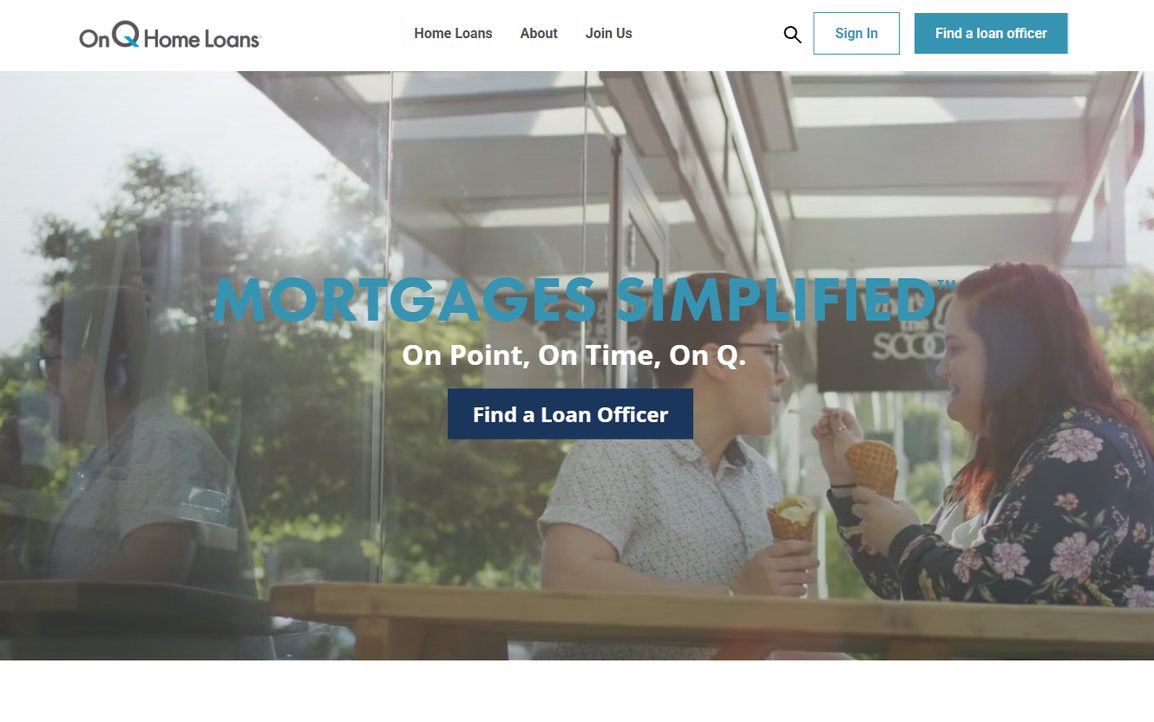
OnQ Home Loans aims to strip away the complexity often associated with the mortgage process. Their «Mortgages Simplified» approach is designed to keep borrowers informed from the pre-approval stage all the way to the final closing. This transparency is a breath of air in a stressful industry.
They utilize modern technology to ensure that you aren’t left wondering about your status. You can see exactly where your application sits in the pipeline. This removes much of the anxiety that usually comes with waiting for a bank to call you back.
They offer several specific products, including Conventional and FHA loans, which are essential for manufactured home buyers. They cater to everyone from first-time buyers to those looking to refinance. Their consultants focus on providing qualifying solutions that fit the individual’s unique financial situation.
If you are looking to move from a high-interest personal loan into a more stable, long-term mortgage, OnQ’s refinancing options can be a powerful tool for wealth building. It is about turning debt into equity through smarter, long-term planning.
Pros:
- Offers FHA and Conventional loan options.
- High-tech mobile app for tracking loan progress.
- Credit scores as low as 620 are considered.
- Underwriting approval is always subject to individual discretion.
4. USPS Federal Credit Union
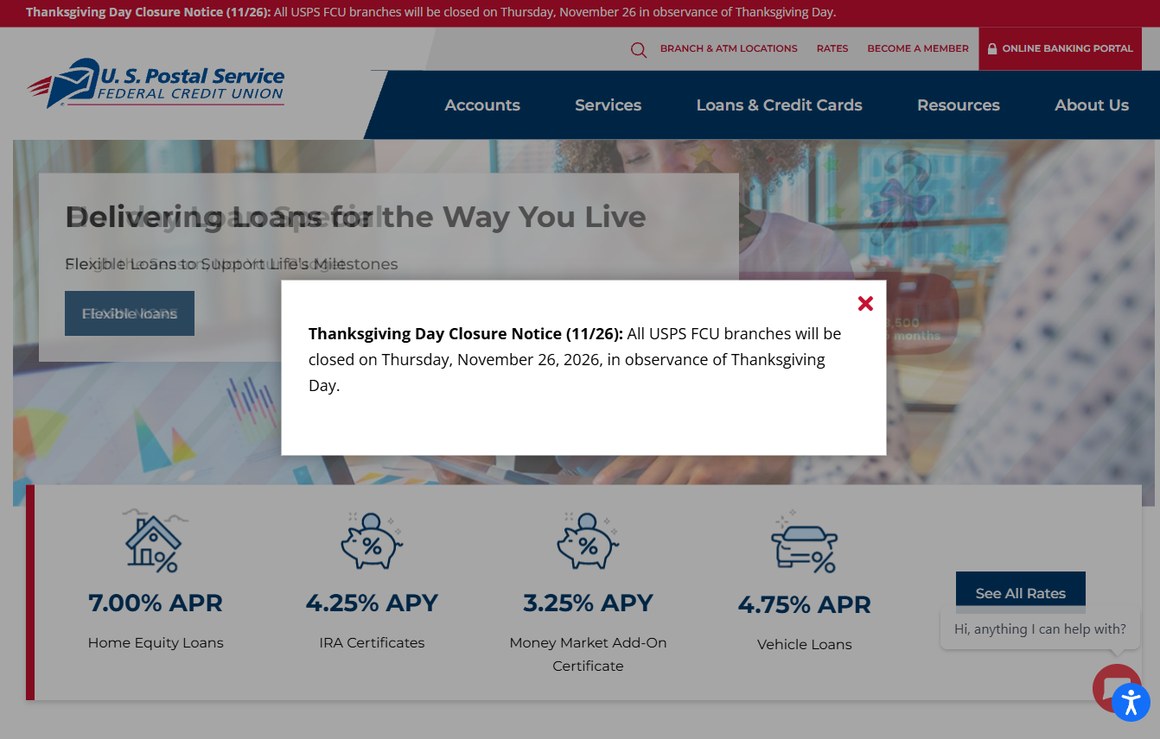
For those within the postal service family, USPS Federal Credit Union provides a specialized level of service. They offer a variety of products, including auto loans and credit cards, alongside more complex home-related options like Home Equity Lines of Credit (HELOCs).
For a manufactured home owner who already owns land, a HELOC can provide the liquidity needed for renovations or home improvements. This is often much cheaper than taking out a brand-new loan. It is a smart way to use the equity you have already built.
The credit union emphasizes flexible loans to support life’s various milestones. They pride themselves on competitive rates and a lack of hidden fees. It is a localized, community-feeling institution specifically tailored to the workforce that keeps the country moving.
Because they understand the specific payroll structures and benefit packages of federal employees, they can often offer more tailored solutions than a national big-box bank. They speak your language because they represent your colleagues.
Pros:
- Tailored specifically for postal employees and their families.
- Transparent rates with no hidden fees.
- Diverse range of financial products.
- Membership is limited to the specific employee demographic.
5. Kashable
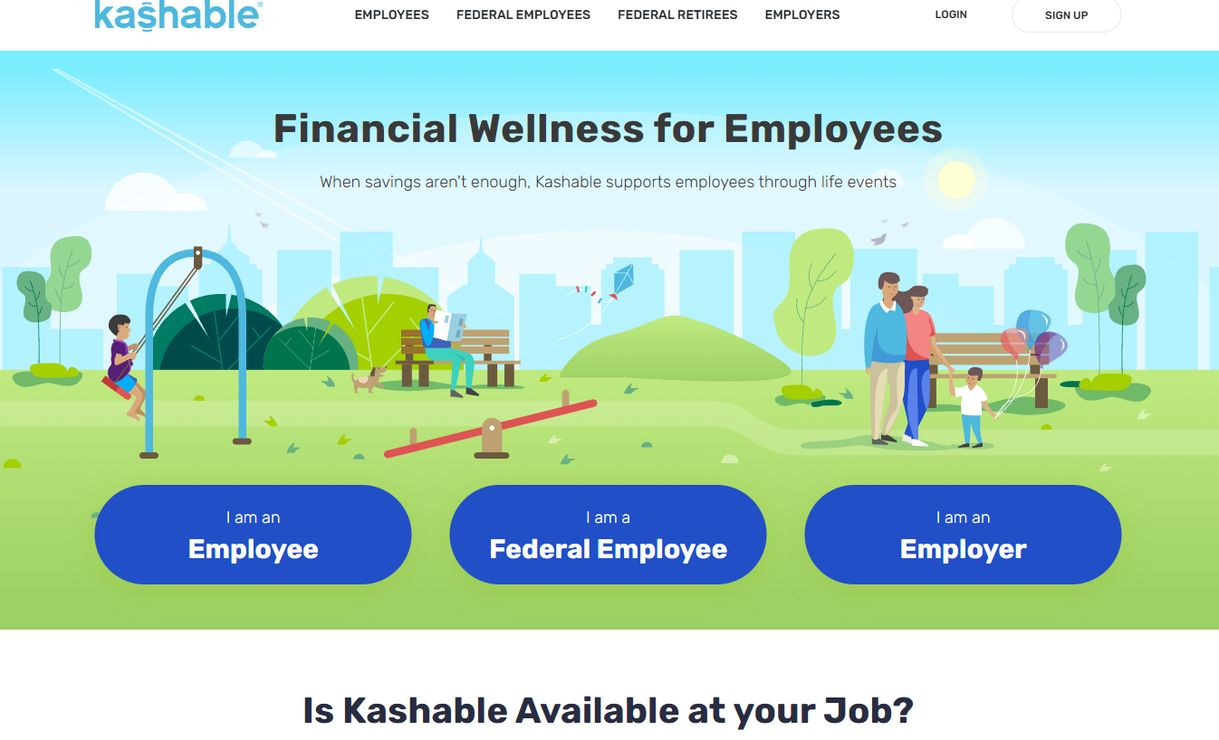
Kashable takes a modern approach by integrating directly into the workplace. Rather than acting as a standalone traditional bank, they partner with HR platforms to provide financial wellness. This allows employees to access funds when savings might not be enough to cover sudden life events.
A sudden move or unexpected home repairs can derail a budget. This «on-demand» access to liquidity is a significant advantage in a volatile economy. It provides a safety net that most traditional banks simply cannot match in speed.
They work with a growing list of payroll systems to make deductions and repayments easy. This is a highly integrated solution for employees who want to manage their financial health through their employer’s existing benefits structure.
It turns financial management into a part of workplace wellness. This reduces the stress of managing separate loan accounts and traditional bank statements. It is about making your money work as hard as you do.
Pros:
- Seamless integration with employer payroll systems.
- Focuses on holistic financial wellness.
- Easy to manage through existing benefits.
- Availability depends on your specific employer’s partnership.
Preparation Checklist: Before You Apply
To maximize your chances of approval, follow these steps at least 3 to 6 months before your intended purchase date:
- Verify the HUD Tag: Ensure the manufactured home has a valid HUD certification tag. Lenders will not finance homes that lack this, as it proves they meet federal safety and construction standards.
- Check Your Debt-to-Income (DTI) Ratio: Lenders generally want to see that your total monthly debt payments, including the new home loan, do not exceed 43% of your gross monthly income.
- Review Your Credit Report for Errors: A single incorrectly reported late payment can drop your score by 50 points. This could move you from an FHA-eligible tier to a much more expensive tier.
- Gather Documentation: Have at least two years of tax returns, two months of bank statements, and your last 30 days of pay stubs ready. Digital lenders move fast, and having these ready will prevent your application from stalling.
Avoiding Common Pitfalls in Manufactured Home Financing
One of the most frequent mistakes is failing to distinguish between a «mobile home» and a «manufactured home» in the eyes of a lender. This distinction can change your loan terms entirely. In the eyes of the law and lenders, «manufactured» refers to homes built after June 15, 1976, to HUD standards.
Older «mobile homes» may be much harder to finance. You might find yourself requiring specialized, high-interest personal loans rather than traditional mortgages. It is a distinction that carries massive weight when you are looking at long-term interest costs.
Another pitfall is ignoring the total cost of ownership. A low monthly payment on a personal loan might seem attractive at first glance. But the interest rate could eventually eclipse the cost of a traditional mortgage. Always look at the total amount repaid over the life of the loan before signing any papers.
Finally, do not wait until the last minute to verify your credit score. Many lenders have specific floors for credit scores, and knowing where you stand allows you to prepare for the application. Being proactive is the best way to ensure a smooth transition into your new home.
